

What To Do When Someone Dies in Yorkshire: 48-Hour Checklist

Stephen Tomes • April 29, 2026

What To Do When Someone Dies in Yorkshire: 48-Hour Checklist

When someone dies, even the simplest tasks can feel impossible. This guide walks you through the first 48 hours in Yorkshire — calmly, step by step — whether the death happened at home, in hospital, or in a care setting.


You will find a quick checklist first, then clear explanations of each step, what to expect, and who to contact. If you need immediate support at any point, White Rose Funerals is available 24 hours a day, seven days a week, for guidance and respectful collection into our Chapel of Rest.

First 48 Hours at a Glance: Your Checklist

  1. Ensure a healthcare professional confirms the death
  2. Call White Rose Funerals any time, day or night, for guidance and collection
  3. Let close family know and gather essential documents
  4. Await the Medical Certificate of Cause of Death from the GP, hospital or Medical Examiner
  5. Book a registrar appointment once the certificate has been sent to the Registration Office
  6. Discuss early choices with your funeral director — burial or cremation, service type, venue
  7. If the coroner is involved, follow their guidance on timings
  8. Start Tell Us Once after registration to notify government departments


Timing notes: Steps 1 to 3 begin immediately. Steps 4 to 6 typically follow within 24 to 48 hours for an expected death.

Step-by-Step Guidance

1. Confirm the Death

At home: Call the person's GP or NHS 111. If the death was sudden or unexpected, call 999. A GP, paramedic or qualified professional will confirm it.

In hospital or a care home: Staff will confirm the death and guide you on what happens next.


2. Contact White Rose Funerals, 24/7

Once the death has been confirmed, call us. We will talk you through what comes next, coordinate with hospital or care staff where needed, and arrange a respectful collection into our on-site Chapel of Rest. You do not need paperwork ready before you call. We will help you work out what is needed and when.


3. Notify Family and Gather Information

Let close family know. Where possible, locate the following to help with registration: full name, date and place of birth, last address, NHS number, GP details, marriage or civil partnership details, and any available certificates. If some of these are missing, do not worry — we will advise you on what is essential.


4. Medical Certificate of Cause of Death

For expected deaths, the GP or hospital's Medical Examiner prepares the Medical Certificate of Cause of Death and usually sends it directly to the local Registration Office. This typically takes one to two working days. Where the death is referred to the coroner, this step will pause. We will liaise with the relevant teams and keep you updated throughout.


5. Book the Registrar Appointment

Once the Registration Office has received the medical certificate, you can book an appointment to register the death. Appointments are around 30 minutes and may be by phone or in person depending on the local authority. Certified copies of the death certificate can usually be ordered at the same appointment. We can help you arrange this and advise on what to bring. After registering, you will receive the reference needed for Tell Us Once.


6. Early Choices and Provisional Scheduling

We will help you make the first decisions at a pace that feels right:

Burial or cremation — if you are considering a simple option, our guide on arranging a dignified, unattended cremation in Leeds may help you decide

Type of service and venue — a place of worship, crematorium chapel, or a natural setting

Who will lead the service — a minister, civil celebrant, or a member of our team; you can learn more about working with a funeral celebrant in Leeds if you would like guidance on that choice

Provisional dates are shaped by venue availability, any coroner requirements, and how soon you want to bring people together. We coordinate all timings on your behalf.


7. When the Coroner May Be Involved

The coroner is typically involved when a death was sudden, unexplained, or requires further clarification. This can affect timings for both registration and the funeral. We liaise directly with the coroner's office, keep you informed at each stage, and protect any provisional bookings so you are not left managing logistics on top of grief.


8. Tell Us Once

Tell Us Once is a government service that lets you notify several departments in a single step, including HM Passport Office and the Department for Work and Pensions. You receive a reference after registering the death. We will explain how and when to use it.

What to Expect from Collection and Our Chapel of Rest

Our team attends promptly, at any hour, to bring your loved one into our care with dignity. We use our own vehicles and facilities, so your loved one remains with us throughout. Daily professional care is provided, and Chapel of Rest visits can be arranged by appointment. If you have cultural or religious requirements, please tell us and we will accommodate them wherever possible.

Scheduling a Funeral in Yorkshire

How do you schedule a funeral? We begin with a short conversation to understand your wishes and any religious or cultural needs. We then contact your preferred venue or crematorium, your chosen officiant, and any third parties such as musicians or florists. We offer a shortlist of suitable dates and times, you choose what feels right, and we confirm everything in writing.


How long does arranging a funeral take? Typically a few days to two weeks, depending on venue availability, paperwork, and whether the coroner is involved. Some families prefer additional time to gather people or plan personal elements, which can extend this naturally.


How far in advance are funerals booked? Crematoria and places of worship generally release slots one to three weeks ahead, with some flexibility for earlier or later times. Weekday mornings tend to offer more availability. We will advise on local patterns and hold provisional slots while you decide.


Can you arrange a funeral in advance? Yes. Many people choose to record their wishes informally or take out a prepaid plan. White Rose offers prepaid options administered by Golden Charter that let you set out preferences and fix our services at today's prices. You can read more about fixed-price funeral plans for Ilkley and surrounding areas.

Local Registration Guidance for Leeds, Barnsley, York and Sheffield

Timings and processes can change, so always check the latest local guidance. The notes below were correct to the best of our knowledge as of April 2026.


Leeds: The Medical Examiner usually sends the certificate to Leeds Registration Service before you can book. Appointments are often available within a few days.


Barnsley: Registration is by appointment after the certificate is received. Phone slots are common and certificates can often be ordered online.


York: The Registration Office will typically contact you or invite you to book once the certificate arrives. Allow extra time during busier periods.


Sheffield: Appointments may be in person or by phone depending on circumstances. Availability can vary seasonally.


We can contact the relevant Registration Office on your behalf and advise on how many certified copies to order.

Early Choices Worth Considering

Service style: A full ceremony, intimate gathering, or a simple unattended option. If cost or simplicity is the priority, our page on arranging a direct cremation in Leeds explains what is involved.


Officiant: A minister, faith leader, or professional celebrant. If you would like help choosing, learn more about working with a funeral celebrant in Leeds.


Personal touches: Music, readings, flowers, live streaming for those who cannot travel, and keepsakes that reflect a life well lived.

FAQs

  • Who can register a death?

    Usually the next of kin or a close relative. Where that is not possible, someone present at the death or the person arranging the funeral may be able to do so. White Rose can guide you through this and help book the appointment.

  • How do you schedule a funeral?

    We coordinate with venues, officiants and any third parties, then offer suitable dates for you to choose from.

  • How long does arranging a funeral take?

    Typically a few days to two weeks, depending on availability, paperwork and any coroner involvement.

  • Can we plan a funeral in advance?

    Yes — either informally by recording your wishes, or formally through a prepaid funeral plan. We can walk you through both options.

We Are Here, Day and Night

If you have just lost someone, you do not have to navigate this alone. Call White Rose Funerals at any hour for compassionate support and respectful collection into our Chapel of Rest.


Leeds: 0113 892 1078 | Barnsley: 01226 888178 | Burley in Wharfedale & Ilkley: 01943 969 556

Email: jane@whiterosefunerals.co.uk | stephen@whiterosefunerals.co.uk
October 16, 2026
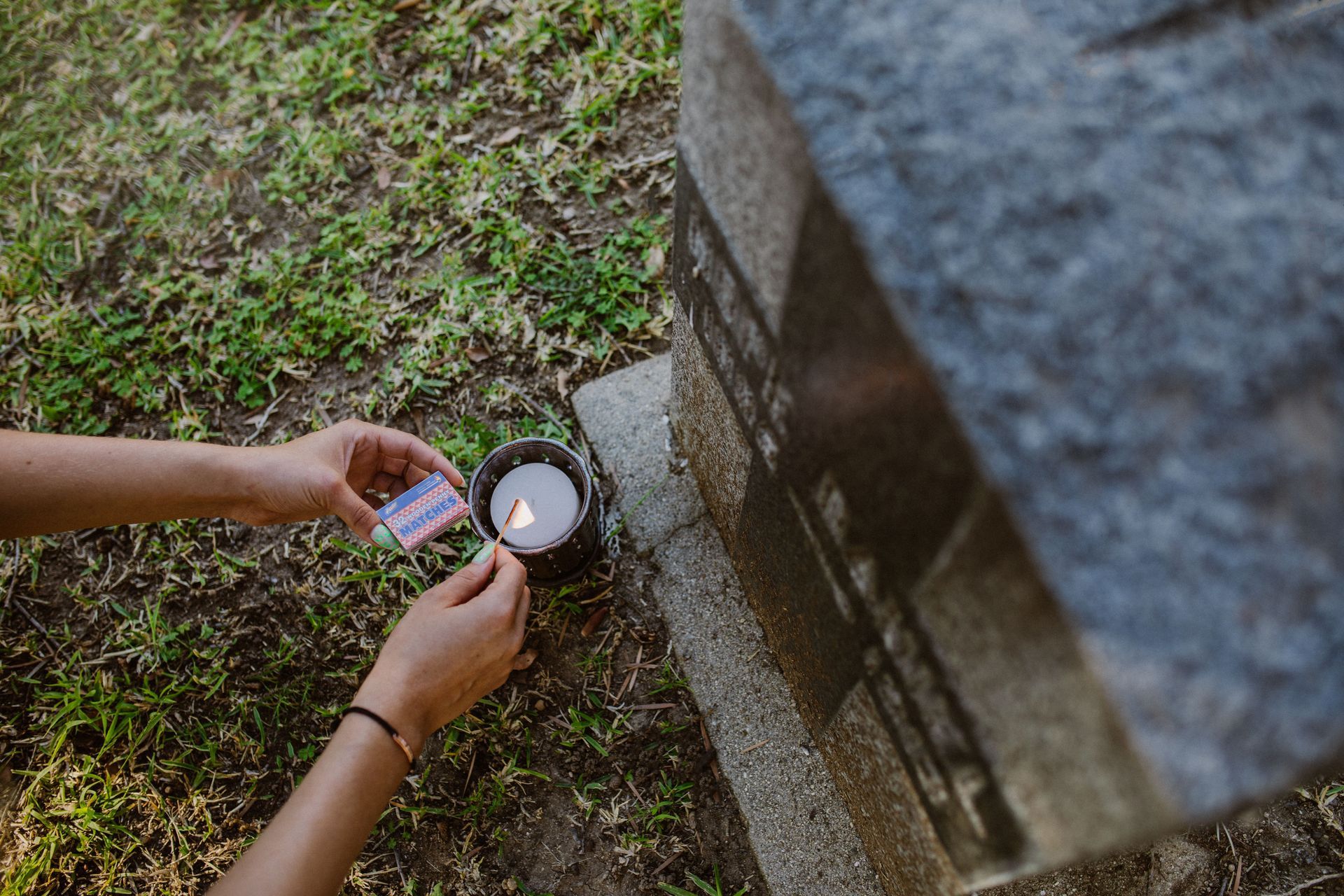
Scattering Ashes in Leeds and Across Yorkshire: A Thoughtful Guide to Places, Permissions, and Meaningful Memorials Choosing where to scatter a loved one's ashes is one of the most personal decisions a family makes after a funeral. For some, the answer is immediate: a favourite woodland walk, a windswept Yorkshire moor, or a quiet stretch of coastline filled with happy memories. For others, the challenge is knowing what is legally allowed, whether permission is needed, and how to create a meaningful farewell without worrying about practical details. There is no "right" place or perfect ceremony. What matters most is selecting a location that reflects the person you are remembering and approaching the moment with care, dignity, and respect for the environment and those around you. Whether you are planning a private family gathering, a simple scattering after a direct cremation, or a larger memorial ceremony, this guide explains the practical considerations and offers ideas to help you plan with confidence. Is it legal to scatter ashes in the UK? One of the first questions families ask is whether scattering ashes is actually allowed. In most situations, the answer is yes. Human ashes are sterile and, unlike other forms of human remains, there are relatively few legal restrictions governing where they may be scattered. However, permission and common sense are both important. Generally speaking: You may scatter ashes on your own private property. Rivers and the sea are usually acceptable when done responsibly. Private land always requires the owner's permission. Parks, public gardens and countryside may have local by-laws or management policies. Churchyards, cemeteries and memorial gardens often have their own procedures. Although there is rarely a formal permit required, contacting the landowner or managing organisation beforehand prevents misunderstandings and often provides helpful advice about suitable locations. If you're uncertain, your funeral director can often make these enquiries on your behalf. Families arranging services through White Rose Funerals frequently ask us to confirm permissions before the day, allowing them to focus entirely on remembering their loved one rather than making phone calls. Choosing a meaningful place in Leeds Many people naturally gravitate towards locations connected with family memories rather than famous landmarks. A favourite park where grandchildren played, the place a couple walked every Sunday morning, or a garden that meant something special often becomes far more meaningful than somewhere chosen purely for its scenery. Leeds offers many peaceful outdoor spaces, including Roundhay Park, Temple Newsam, Golden Acre Park and Meanwood Park. These locations are popular because they combine natural beauty with accessibility for relatives travelling from different areas. Before making final plans, it is worth checking with Leeds City Council regarding current guidance. Some parks recommend quieter areas away from heavily used paths or picnic spaces, while others may have seasonal considerations to protect wildlife or maintenance work. Planning ahead helps ensure your gathering remains peaceful and respectful for everyone using the space. Woodland memorials and Yorkshire countryside Yorkshire's countryside offers countless beautiful locations that feel deeply personal for families who spent time outdoors. The Yorkshire Dales, Wharfedale, Ilkley Moor and Otley Chevin are all places people often consider because of their sweeping views and sense of tranquillity. However, these landscapes are also protected environments managed by councils, trusts, national parks and private estates. Rather than simply arriving on the day, it is always worth contacting the relevant land manager first. Most organisations appreciate being asked and can often recommend quieter locations that minimise environmental impact while still providing a beautiful setting for your family. When scattering ashes in natural landscapes, remember that simplicity usually creates the most meaningful experience. Allowing the ashes to settle gently into the environment without leaving flowers, ornaments or artificial tributes helps preserve these places for future visitors while respecting the landscape your loved one enjoyed. Rivers, lakes and the Yorkshire coast For many families, water symbolises peace, freedom and continuity, making rivers and the coastline especially meaningful places for a final farewell. The River Aire and River Wharfe are among the most popular choices around Leeds. Quiet stretches away from busy footpaths, locks, bridges and boating areas offer a more private setting where families can gather without interruption. The Yorkshire coastline is equally popular, particularly around Filey, Scarborough and Bridlington, where the open sea provides a powerful sense of reflection and remembrance. When planning a water scattering, timing matters. Checking tide times and wind direction beforehand helps ensure the ashes disperse naturally. Choosing quieter times of day also provides greater privacy while avoiding disruption to swimmers, anglers or other visitors. Reservoirs, canals and managed waterways may have additional restrictions, so always check with the relevant authority before making arrangements. Creating a meaningful scattering ceremony Many people worry about what they should actually do once everyone has gathered. The truth is that the most memorable ceremonies are often the simplest. Some families share stories and laughter. Others prefer silence. Some read a favourite poem or passage, while others play a meaningful song from a phone speaker before saying goodbye. A short ceremony might naturally include: welcoming everyone together sharing memories of the person's life reading a favourite poem or letter inviting family members to say a few words scattering the ashes together observing a minute of quiet reflection Rather than trying to organise something elaborate, focus on creating space for genuine emotion and shared memories. If speaking publicly feels overwhelming, an experienced celebrant can guide the ceremony while allowing family members to participate only if they wish. Alternatives to scattering ashes Scattering ashes is only one way to remember someone, and many families now choose alternative memorials that provide a lasting place for reflection. Some divide ashes between close relatives using keepsake urns or memorial jewellery, allowing everyone to remember their loved one in their own way. Others choose interment within a crematorium's Garden of Remembrance or arrange a memorial tree planting where permitted. Increasingly, families who choose direct cremation hold a separate celebration of life weeks or even months later. This approach allows relatives travelling from different parts of the country to gather without the pressure of organising everything immediately after the funeral. If you're considering this option, our guide to direct cremation explains how many families combine a simple cremation with a more personal memorial at a meaningful location. Practical advice for the day A little preparation makes the day feel calmer and allows everyone to focus on the occasion rather than logistics. Check the weather forecast, particularly wind conditions, before leaving home. Even a gentle breeze can make scattering more difficult than expected. Transport the ashes securely in their container and consider transferring only a portion into a biodegradable scattering tube if that feels easier to manage. Wear suitable footwear if your chosen location involves uneven paths, woodland or moorland, and allow extra time so nobody feels rushed. After the ceremony, many families find comfort in taking a quiet photograph of the landscape or writing down their thoughts while the memories of the day remain fresh. These simple keepsakes often become surprisingly meaningful in the years that follow. Frequently Asked Questions Where can I scatter ashes in Leeds? Many families choose parks such as Roundhay Park, Temple Newsam or Golden Acre Park, along with local woodland, rivers or countryside locations. Permission may be required depending on who manages the land, so checking beforehand is always recommended. Do I need permission to scatter ashes? If the land is privately owned, yes. Public parks, estates and managed countryside may also have local policies, while rivers and the sea are generally acceptable when approached responsibly. Can ashes be scattered in the Yorkshire Dales? Yes, provided you obtain permission where necessary and follow any guidance from the National Park Authority or landowner. Choosing quieter locations and leaving no lasting memorials helps protect these beautiful landscapes. Is scattering ashes at sea allowed? Yes. Many families choose the Yorkshire coast because the sea provides a peaceful and symbolic setting. Select a quiet area, check tide times, and avoid busy swimming or boating locations. What if we can't decide on one location? There is no rule saying ashes must all be scattered in one place. Many families divide them between several meaningful locations or combine scattering with keepsake urns or memorial jewellery so different relatives can remember their loved one in their own way. How White Rose Funerals Can Help Planning a scattering ceremony involves more than choosing a location. Families often ask us about permissions, timing, celebrants, memorial keepsakes and how to create a ceremony that feels personal without becoming overwhelming. Our family-run team is happy to guide you through each step, whether you need practical advice or simply someone to talk through your ideas. Final Thoughts Scattering ashes is rarely about the location alone. It is about creating one final memory that reflects a life, honours relationships and provides comfort for those left behind. Whether you choose a quiet Yorkshire woodland, a favourite riverside walk, the coastline or somewhere entirely personal, thoughtful planning allows the day to unfold naturally. With the right guidance, simple moments often become the most meaningful ones. At White Rose Funerals , we are here to help you navigate every practical detail with compassion, ensuring you can focus on what matters most: remembering your loved one in a way that feels right for your family.
Sunlit church sanctuary with wooden pews, stained glass windows, altar, and floral arrangements
By White Rose Funerals • September 10, 2026
Understand what happens in a Chapel of Rest, how visits work, and how your loved one is cared for before the funeral. Learn what to expect and bring.
Printed documents, glasses, and a pen on a wooden desk by a window
July 31, 2026
Learn how to fix funeral costs and record your wishes in advance. Avoid common pitfalls and find the right plan for you—get your guide here.
Peaceful memorial setting with flowers and candles
July 9, 2026
Guide to cremation in Leeds & Yorkshire. Discover costs, the process, and how to personalise a farewell. Contact a funeral director for support and guidance today.
Lit lanterns and candles glowing on a dark stone surface with autumn flowers in the background
June 11, 2026
Understand typical funeral costs in Yorkshire, what affects the price, and simple ways to avoid hidden fees and overspending. Learn how to plan with confidence.
By Stephen Tomes • May 18, 2026
Struggling with funeral costs in the UK? Understand DWP Funeral Expenses Payment, estate funds, funeral loans and free local support from White Rose Funerals.
A large house with a statue in front of it is surrounded by trees and bushes.
By Stephen Tomes • April 17, 2026
Exploring modern funeral trends: White Rose Funerals discusses the rise of direct cremations, green funerals, and cultural fusion in services. Learn how we provide affordable, meaningful goodbyes in your local community.
A person is holding a bouquet of white roses on a table in front of a picture of an elderly woman
By Stephen Tomes • November 1, 2023
Clear guidance on how pre-paid funeral plans work. Learn about payment options, what is included, and how these plans provide peace of mind by securing future costs at today’s prices.
A large stone building with a clock tower in the middle of a cemetery.
By Stephen Tomes • November 1, 2023
Discover why low-cost funerals are becoming a preferred choice. Beyond the financial savings, learn how direct cremations and simple services offer flexibility and a focus on personal legacy.
Funeral flower arrangement
By Stephen Tomes • October 25, 2023
Selecting a floral tribute is a touching way to say goodbye. Our guide helps you choose the right flowers, styles, and arrangements to create a fitting and personal farewell.