
Cremation in Leeds and Yorkshire: Costs, Process and Personal Touches
When someone dies, clear guidance can make difficult decisions feel a little easier. This local guide explains how cremation works in Leeds and across Yorkshire, what typically contributes to the overall cost, and the thoughtful ways you can personalise even the simplest farewell.
We answer common questions in straightforward language and explore options for music, readings, celebrants, and intimate gatherings. Whether you are arranging an immediate funeral or planning ahead, understanding the process can provide reassurance during a difficult time.
If you need support now, an experienced funeral director in Leeds can guide you through each step at a pace that feels comfortable for you.
What Does Cremation Typically Cost in Leeds?
The total cost of a cremation usually consists of two elements: the crematorium's own fees and the funeral director's professional services.
Crematorium Fees
These cover the use of the crematorium facilities, chapel, staff, and the cremation itself. Charges vary depending on the venue, the day of the week, and the time of the service.
Funeral Director Fees
Professional fees generally include:
- Bringing the deceased into care
- Care within the Chapel of Rest
- Administration and completion of statutory paperwork
- Supply of a suitable coffin
- Transportation arrangements
- Coordination of the funeral service and crematorium booking
- Guidance and support for the family throughout the process
Overall costs vary depending on the choices made, but requesting an itemised quotation allows families to compare services clearly and make informed decisions.
For a more detailed explanation of typical pricing and inclusions, see our guide to funeral costs in Leeds.
Is Direct Cremation the Most Affordable Option?
For many families, direct cremation is the lowest-cost choice.
With a direct cremation, there is no funeral service or mourners present at the crematorium. The deceased is cared for with dignity throughout the process, and the ashes are later returned to the family or scattered according to their wishes.
Many people choose direct cremation because it allows them to organise a separate memorial or celebration of life at a later date, often in a location that held special meaning for their loved one.
What Is Usually Included in a Simple Cremation?
A simple attended cremation commonly includes:
- Compassionate care of the deceased
- Access to a Chapel of Rest for family visits where desired
- A coffin suitable for cremation
- Completion of all necessary paperwork
- Booking and coordination with the crematorium
- Transportation to the service
- A chapel service with music, readings or personal tributes
- Collection or return of the ashes after the cremation
Some funeral directors offer fixed packages, while others provide fully itemised services that allow families to tailor arrangements according to their preferences and budget.
Typical Timescales
While every situation is different, the process generally follows a similar pattern.
- The death is registered once the required medical documentation is available.
- The funeral director liaises with the crematorium to arrange a suitable date and time.
- Service availability depends on local demand and family preferences.
- Ashes are usually made available after the cremation in accordance with the crematorium's procedures.
If choosing direct cremation, families often arrange a memorial event separately once the ashes have been returned.
Personal Touches That Create Meaning
A meaningful farewell does not need to be elaborate.
Many families choose to personalise the service through:
- Favourite music or meaningful songs
- Poems, religious passages, or personal readings
- Displaying photographs
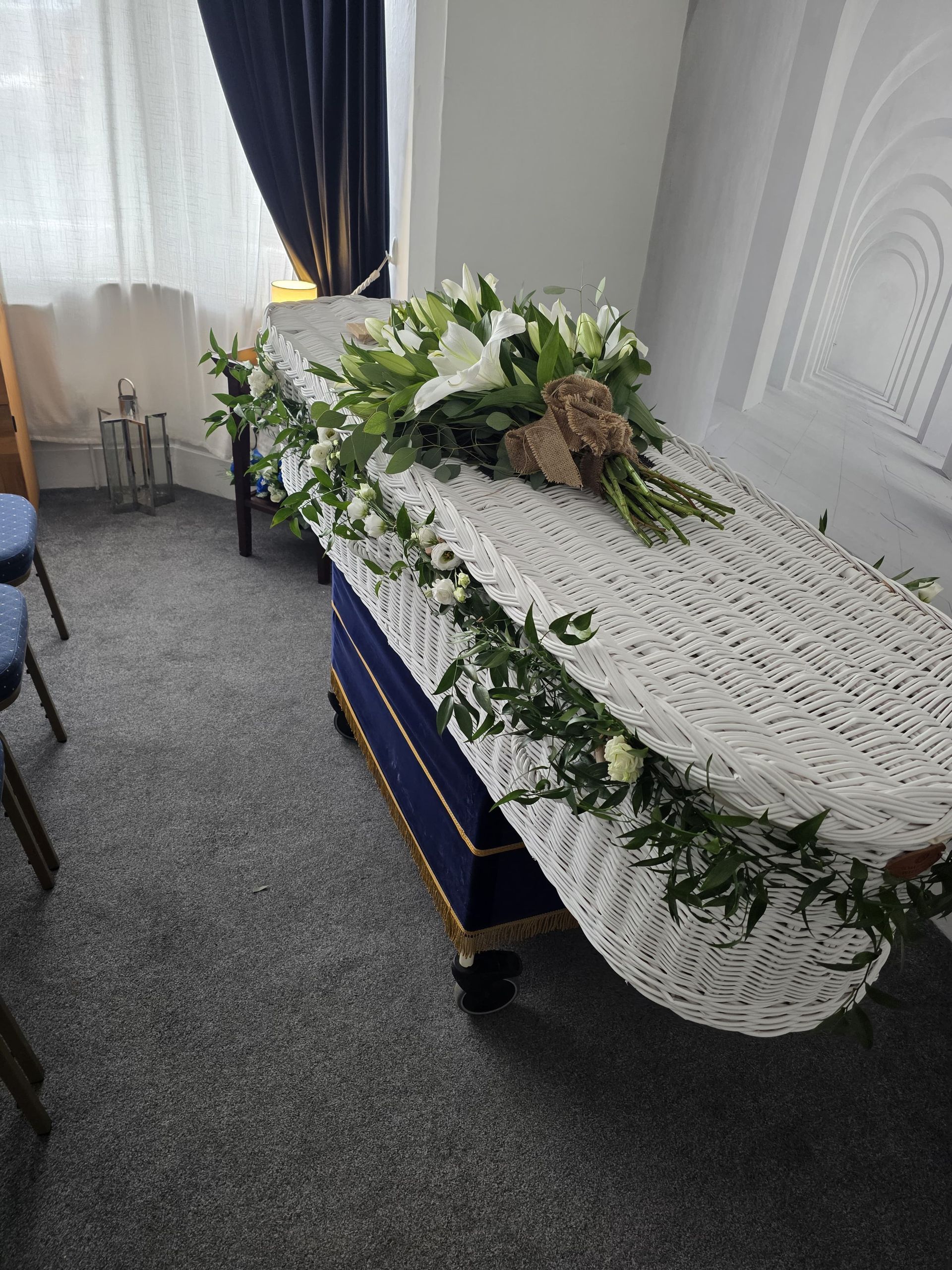
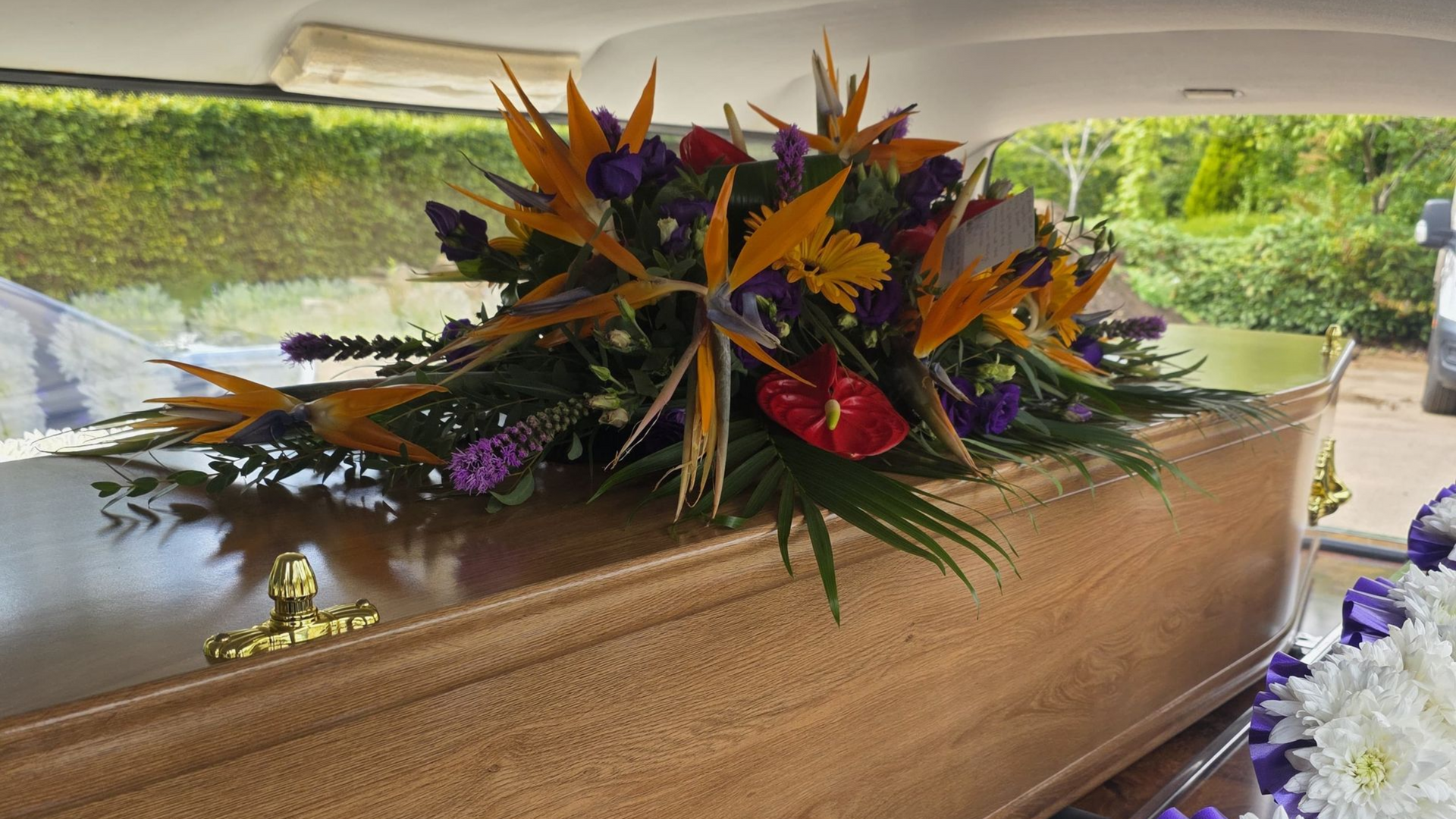
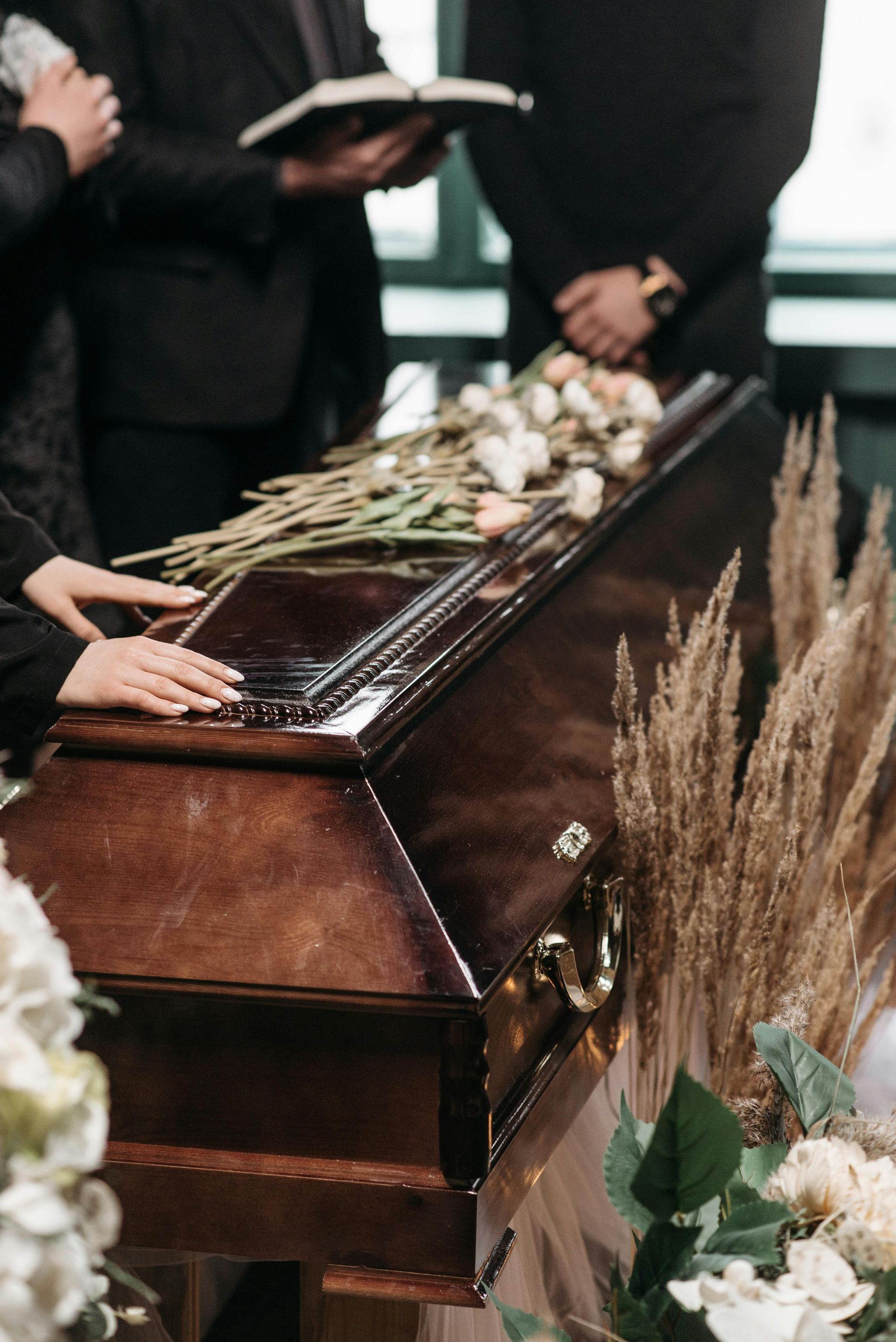
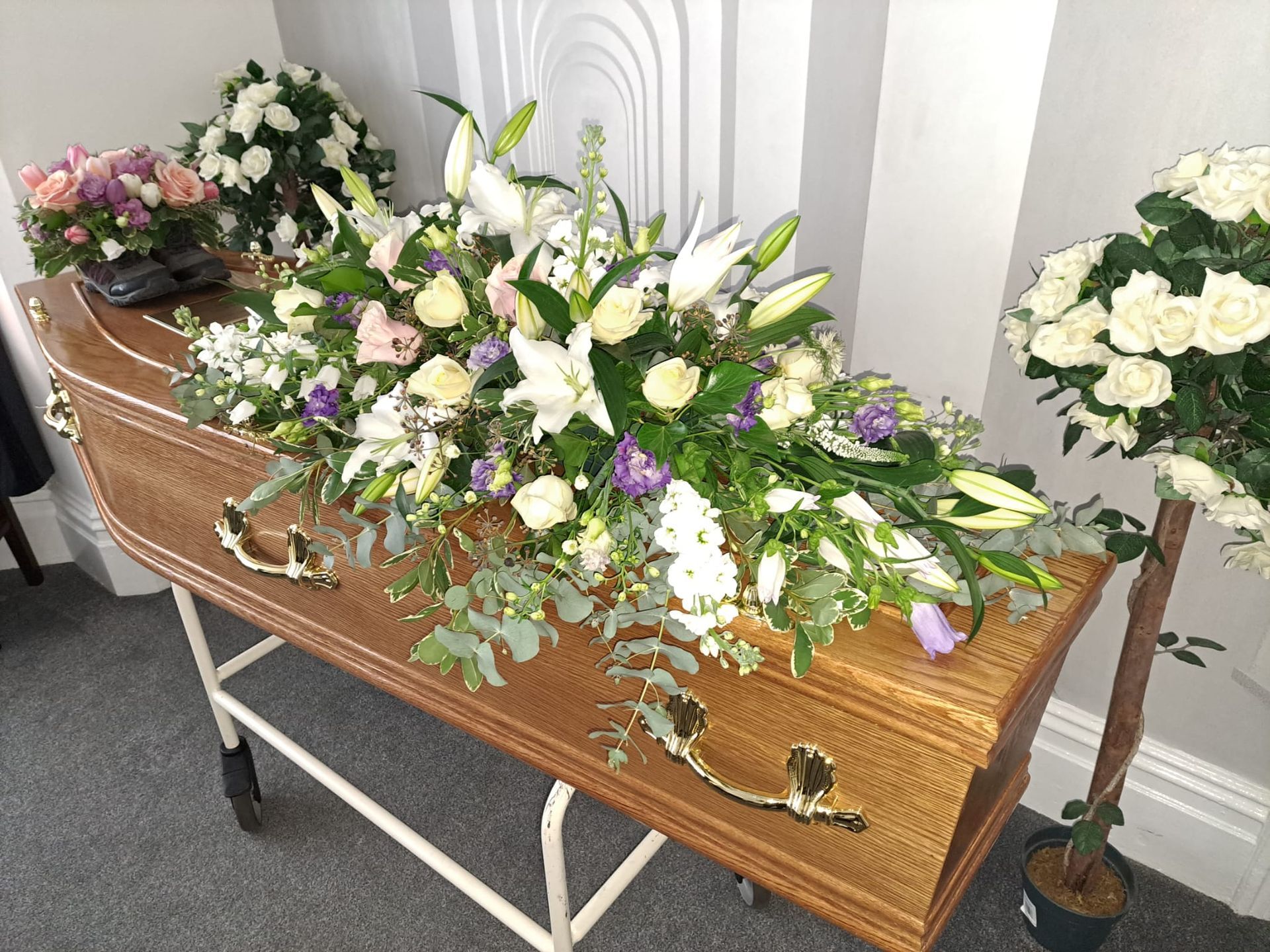
- Placing flowers or small keepsakes with the coffin where permitted
- Sharing memories during a small gathering after the service
Even modest additions can create a ceremony that feels deeply personal and reflective of the individual's life.
Visiting the Chapel of Rest
Many families find comfort in spending quiet time with their loved one before the funeral.
Professional funeral homes provide respectful care throughout, and families may often choose clothing, personal items, or photographs for viewing appointments where appropriate.
Others prefer to remember their loved one as they were in life and decide not to visit. There is no right or wrong choice—only what feels most appropriate for you and your family.
Small Gatherings Can Be Just as Meaningful
A large funeral is not the only way to celebrate someone's life.
Many families now choose:
- An intimate attended cremation followed by a later celebration of life
- A direct cremation with a separate memorial gathering
- A simple family event at home or another meaningful venue
- A quiet scattering of ashes accompanied by music or readings
These smaller occasions often provide space for personal reflection and shared memories in a relaxed environment.
Frequently Asked Questions
How much does cremation cost in Leeds?
Costs vary depending on the crematorium selected, the services included, and whether the funeral is attended or direct. Requesting a detailed quotation helps families understand exactly what is included.
What is the cheapest cremation option?
Direct cremation is generally the most affordable option because it does not include a ceremony at the crematorium or attendance by mourners.
Can someone be cremated without a coffin?
UK crematoria require the deceased to be placed in a suitable container that meets safety and operational requirements. In most cases, this is a coffin specifically designed for cremation.
Are bodies removed from coffins before cremation?
No. The deceased remains in the coffin throughout the cremation process, with strict identification procedures maintained at every stage.
Are clothes removed before cremation?
The deceased is typically cremated in clothing selected by the family or in garments provided by the funeral director. Certain medical devices or items that present safety risks may need to be removed beforehand.
The Value of a Funeral Celebrant
A celebrant can help create a ceremony that reflects the personality, beliefs, and life story of the person who has died.
They can assist by:
- Developing a personalised order of service
- Suggesting readings and music
- Writing and delivering tributes
- Supporting family members who wish to speak
- Coordinating the flow of the ceremony with the crematorium
Their guidance often helps families feel supported when emotions make planning difficult.
Ways to Keep funeral costs Manageable
If keeping costs under control is important, consider:
- Choosing direct cremation or a simple attended service
- Selecting modest floral arrangements
- Using recorded rather than live music
- Requesting transparent, itemised pricing
- Discussing prepaid funeral planning if making arrangements in advance
A clear understanding of available options helps families make decisions with confidence while honouring their loved one in a meaningful way.
Final Thoughts
Whether you choose a traditional attended service or a simple direct cremation, the most meaningful funerals are often those that reflect the individual rather than the size or cost of the arrangements.
If you are experiencing financial difficulties, there is support available to help manage funeral expenses.
Small personal touches—a favourite song, a heartfelt reading, or time shared with close family—can leave a lasting impression and provide genuine comfort.
If you would like guidance on cremation options, costs, celebrant services, or planning ahead in Leeds and Yorkshire, speak with an experienced local funeral director who can explain your choices clearly and support you through each stage of the process with compassion and care.
If you would like guidance on cremation options, costs, celebrant services, or planning ahead in Leeds and Yorkshire, speak with an experienced local funeral director who can explain your funeral arrangements choices clearly and support you through each stage of the process with compassion and care.